Body Flow Cycling
  • Home
  • Bike Fitting
  • Services and Pricing
  • Location
  • Blog
  • About Massimo
  • Book Now
  • Studio Photos
  • Home
  • Bike Fitting
  • Services and Pricing
  • Location
  • Blog
  • About Massimo
  • Book Now
  • Studio Photos
Search

Adaptive Posture - Episode 1 - Terrain Changes: Climbing Seated & Standing

11/15/2025

0 Comments

 
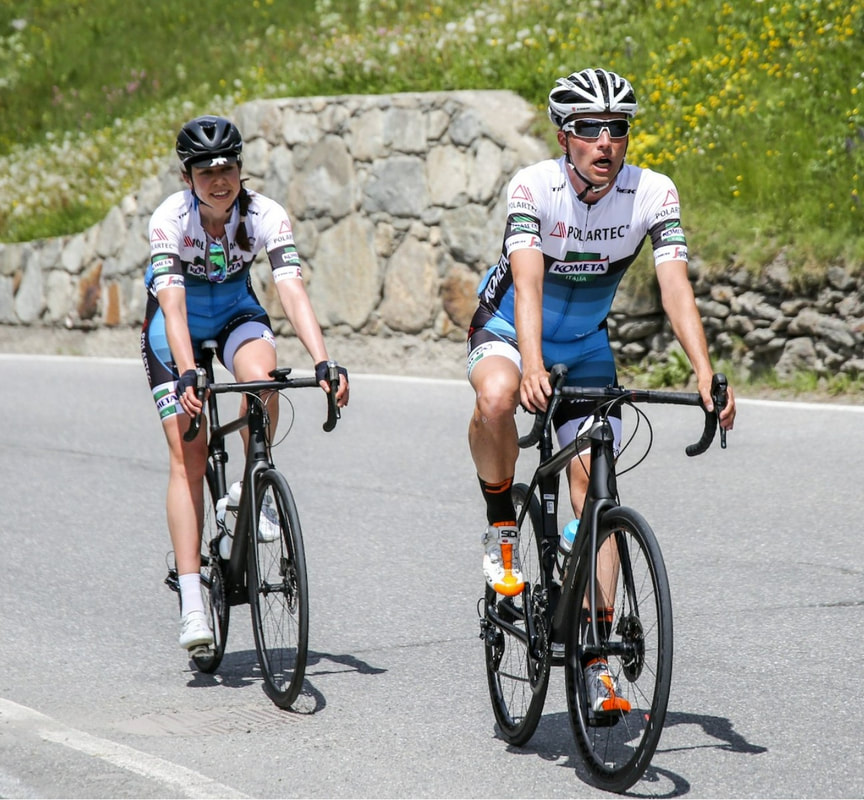
Amateur athlete cyclist climbing
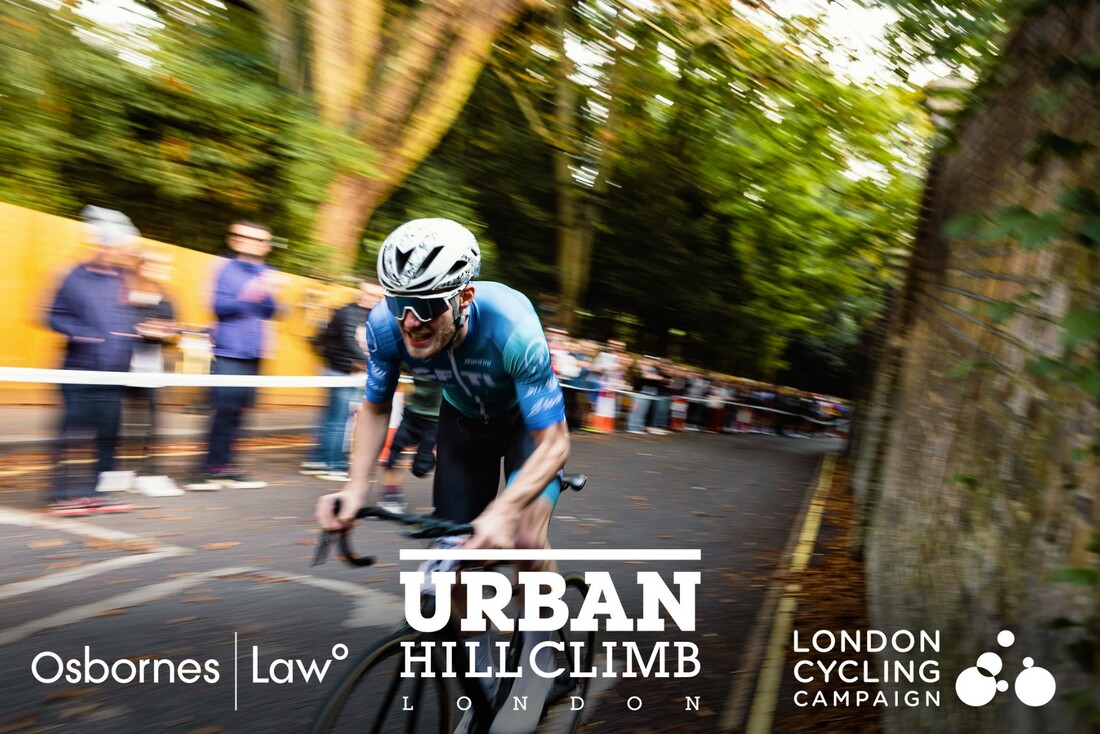
Cyclist riding uphill
​When the gradient rises, posture changes — not just a little, but in predictable, measurable ways. Climbing forces the rider to reorganise pelvis, trunk and limb mechanics. These are not “bad habits”; they’re adaptive strategies shaped by load, gravity and efficiency.
This episode explores how seated and standing climbing trigger micro- and macro-postural shifts, why they matter, and what they tell us about performance, comfort and injury risk.

Seated Climbing — On a climb, most riders naturally migrate slightly anterior on the saddle. This forward pelvis shift opens hip angles and helps maintain force direction as the bike slows and gearing becomes heavier.
Typical adaptive patterns
Pelvis:
small forward/anterior shift
Trunk: slightly more upright than on the flat
Hips: deeper flexion with increased glute/hamstring contribution
Cadence: often rises to maintain smooth torque
Saddle pressure: migrates forward, increasing contact toward the pubic rami.
Why the body does this (mechanics)
Preserves effective hip extension angle for force delivery
Maintains stable ankle-ankle trajectory under high torque
Reduces the feeling of “pushing behind you” when speed drops
Pros
Improved mechanical leverage through the hip
More stable cadence on long climbs
Lower energy cost than repeated standing efforts
Cons / Risks
Increased anterior pelvic rotation can increase lumbar flexion → low-back irritation in fatigued riders
More pressure on anterior soft tissues → saddle discomfort or numbness if the saddle shape/tilt is not adapted
Knee extensor load increases if gearing is too heavy or cadence too low.

Standing Climbing - Standing is a macro-change: the entire kinetic chain reorganises. Weight moves forward onto the pedals, the pelvis rotates slightly anterior, and the arms/core stabilise large oscillations.
Typical adaptive patterns
Pelvis:
shifts forward relative to bottom bracket
Trunk: becomes more vertical but highly dynamic
Upper body: significant arm/trunk activation to stabilise sway
Cadence: can drop; the rider uses body weight to drive the crank
Bike movement: side-to-side rhythm increases
Why the body does this (mechanics)
Frees hip extension by removing saddle constraints
Allows large vertical force vectors using body weight
Enables short power peaks not achievable seated
Pros
Excellent for power bursts, accelerations and short steep ramps
Reduces prolonged anterior soft-tissue pressure
Improves traction on very steep gradients by shifting body mass
Cons / Risks
Higher energy expenditure → less economical
Increased demand on trunk/shoulders; problematic for riders with neck/upper-back issues
Excessive sway or poor core control can overload knees or provoke low-back pain
What This Means for Adaptive Posture
Climbing is more than “push harder”: it’s a dynamic sequence of postural solutions. Riders oscillate between micro-adjustments (sliding a few millimetres forward) and macro-adjustments (standing bursts) depending on gradient, cadence and fatigue.
Understanding this helps you:
Predict where discomfort originates (e.g., anterior saddle pressure on long climbs)
Optimise saddle tilt/fore-aft to support anterior shifts
Identify when poor core control exaggerates sway in standing efforts
Learn when alternate techniques to distribute load intelligently.

Climbing adaptive posture doesn’t lie — it shows how body and bike interact under vertical load.
0 Comments

Introducing: Adaptive Posture - The Missing Dimension in Bike Fitting

11/6/2025

0 Comments


Exploring how posture evolves under real conditions and what that means for performance and comfort.

Pro cyclists riding Strade Bianche.
Strade Bianche 2020. Picture credit to Bettiniphoto
Posture on the bike is not fixed — it’s adaptive.
Every pedal stroke reflects a living balance between the body, the bike, and the terrain.
During a long ride, position evolves: shifting forward on a climb, easing back on a descent, standing to relieve pressure, tucking for speed. These micro-adjustments are not random; they are the body’s intelligent response to mechanical, physiological, and psychological demands.
Traditional bike fits capture a static moment — the perfect geometry under controlled conditions. But the real story unfolds on the road, where posture changes with fatigue, comfort, motivation, and environment.
Adaptive Posture explores this missing dimension in bike fitting — how posture evolves in motion and what that means for comfort, performance, and injury prevention.
Through this series, I’ll share my opinion on how:
Terrain and task alter the way we ride.
Fatigue and metabolism influence stability and control.
Pain and discomfort trigger compensations.
Focus and mental fatigue reshape movement patterns.
Environmental and tactical demands redefine the balance between aerodynamics and endurance.
Understanding posture adaptation is essential for every advanced fitter.
Because a truly great fit doesn’t end in the studio — it continues to adapt with the rider, on every climb, descent, and kilometer.
Welcome to Adaptive Posture — the missing dimension in bike fitting.
0 Comments

The Posture Advantage — Episode 6 - When Aero Costs You Breath

10/23/2025

0 Comments

 
Bike fit video analysis picture
Aero vs. Breath Trade-Off
How much aerodynamic posture can we really cope with? A truly efficient aero position isn’t just about lowering the front end or tucking in the elbows — it’s about what the body can sustain over time. A proper aero posture depends on a strong, well-trained core to stabilise the pelvis and spine for hours in the saddle. Without that foundation, the rider often compensates by tightening the shoulders, collapsing the chest, and overloading the neck — all of which restrict breathing and reduce oxygen intake.
During a bike fit, assessing pelvic tilt, thoracic mobility, thoracic kyphosis, and cervical extension helps to determine how much aero position the body can genuinely tolerate. The goal isn’t to force the rider into a position they can’t maintain, but to find the balance between aerodynamic efficiency and physiological function.
When the upper body collapses forward and the ribs lose mobility, the diaphragm can’t descend freely into the abdomen. Breathing becomes shallower, the core loses support, and fatigue sets in earlier. Conversely, when posture allows the rib cage to stay open and the diaphragm to move naturally, both power and endurance improve — even if that means being slightly less aero on paper.
A good aero posture, therefore, isn’t only the one that looks fast — it’s the one your body can breathe, stabilise, and perform in for the whole ride.
0 Comments

The Posture Advantage - Episode 5 - Core & Light Hands

10/10/2025

0 Comments

 
Cycling indoor: video analysis hands and arms posture.
Core activation and "light hands" on the handlebar.
If there’s one posture principle every cyclist should master, it's this: use your core to support your upper body so your hands can stay light on the bars. That simple cue carries big dividends — less discomfort, better control, and a more resilient ride over time.

Why this matters
For newcomers, even short rides often bring tingly fingers, elbow stiffness, or wrist fatigue. Learning to distribute load through the core early means you get to enjoy the ride instead of battle it.
For committed club riders / intermediates, when fatigue sets in on long spins or group rides, posture tends to collapse: grip tightens, elbows lock, shoulders rise. That’s when comfort, control, and efficiency slip away.
For advanced racers, every bit of wasted effort or instability can cost you in surges, technical descents, or longer events. If your core is weak or your hands are doing too much work, you’re leaking energy and control.

What science shows
After core fatigue, cyclists show more extraneous motion (knee, ankle) even if power output stays the same — indicating compensations when core loses stability. PubMed

Cycling posture shifts spinal geometry; the core must stabilize dynamically amid lumbar flexion and changing sacral angles. MDPI+1

Handlebars' height, reach, and width influence upper-body muscle activation — poorly matched setups force more load through arms. PMC+2MDPI+2

Riders with weaker core stability display greater side-to-side trunk/head motion — i.e. less stable upper body under load. BioMed Central
​

The Core Activation and Light Hands Concept
We want: the core bearing the primary load, and the arms free to guide.
If your core weakens, your arms take over, you grip harder, you lock your elbows, and fatigue comes sooner.
What “light hands” really means
Your arms are guides, not pillars.
The core and pelvis carry the torso’s weight; the hands simply connect you to the bars.
Slight elbow flexion acts as natural suspension — it helps absorb vibrations and keeps you ready to steer, react, or stabilize in unpredictable situations.
This posture lets you feel the bike rather than fight it.

Practical Tips for Your Next Ride
​
Check your arms – elbows slightly bent, wrists neutral, shoulders relaxed.
Do a body scan – are your hands pressing or just resting?
Alternate awareness drills – 30 seconds focusing on “light hands,” then return to normal riding. Feel the difference.
Off-bike training – include planks, dead bugs, and anti-rotation core exercises to strengthen stability.
Evolve gradually – don’t chase an aggressive position before your core can sustain it comfortably.

0 Comments

The Posture Advantage - Episode 4 - Power Through Precision: Mastering Foot Control & The Path to Adaptation

10/2/2025

0 Comments

 
Tangential force applied to crank.
Max power out with tangential force. Picture credit to Amy Robinson (2020) and Coyle et al. (1991)
Cyclist foot applying force to pedal with 15 degrees plantarflexion.
~15° plantarflexion for high pedaling efficiency.
A stable foot held in gentle plantarflexion (~10–15°) during the active phase (from 1 to 5 o’clock) keeps your force directed tangentially to the crank’s rotation — the direction that truly produces torque and propels the bike forward.
When the foot stays aligned with that tangent, almost all your effort becomes useful power.
But if the heel drops and the foot flattens, the force angle shifts away from the tangent and efficiency drops.
At a steady 150 W output, even a small misalignment matters:
  • 0° (flat foot) → ≈145 W delivered (–3.4%)
  • –5° (heel drop) → ≈141 W delivered (–6%)
    That’s a 5–9 W loss every pedal stroke — the equivalent of giving away part of your power simply through foot position.
    Maintaining that 10–15° downward angle across the 1–5 o’clock phase keeps your pedal stroke smooth, powerful, and mechanically efficient.

Adaptation: Building Control, Stability, and Resilience
​
Transitioning toward a more precise and stable foot posture requires neuromuscular adaptation — it’s not just a mechanical change.
From an osteopathic and training perspective, three key processes guide this transition:
  1. Motor-Sensory Reprogramming
    Your body must learn to activate and coordinate the stabilizing muscles of the foot and ankle throughout the active phase. This includes recalibrating proprioception — your internal sense of position — as the lower limb adapts to a new force pathway and joint angle.
  2. Progressive Endurance Training
    Sustaining this controlled position under load takes time. Gradually integrating the new foot control into training sessions ensures your muscles and tendons adapt without fatigue or compensation.
  3. Facilitating Adaptation
    Complement your rides with stretching, dynamic and static neuromuscular work, and balance exercises to reinforce control and flexibility.
    During the first weeks, it’s often beneficial to modulate training intensity or volume — slightly reducing workload allows tissues and neural pathways to adapt smoothly, minimizing the risk of strain or overuse.
Precision in movement is learned as much as it is trained. A thoughtful adaptation plan transforms posture into performance, stability, and ability to sustain effort on the bike.
0 Comments

The Posture Advantage - Episode 3 - Beyond The Line: Rethinking Knee Tracking and Leg Alignment

9/25/2025

0 Comments

 
Bike fitting: knee tracking
Cycling: lower limb tracking evaluation
​For many years, cyclists have been told that the “perfect” knee path is a straight, vertical line over the pedal. Fit systems, wedges, and shims have been promoted as ways to correct any deviation. The message was simple: if your knee doesn’t track in a straight line, something must be wrong.
There is a certain appeal in this clarity. Organisations like BikeFit and Trek Precision Fit deserve credit for making fitting more structured and accessible. Their rules helped raise the profile of bike fitting and gave cyclists and fitters practical tools.
But the body is rarely so simple. After more than a decade working at the intersection of osteopathy and bike fitting, I’ve come to see knee tracking not as a rule to be imposed, but as a window into the cyclist’s whole system.
A knee that doesn’t follow a straight line isn’t always a problem. It can reflect natural anatomical variation, past injuries, or the way the pelvis and hips coordinate movement. Foot structure, tibial torsion, muscle balance, and even medical history all leave their imprint on the knee’s path. To reduce this to “6 degrees of forefoot angle” is to overlook the richness of the human body.
This is where my approach differs. I integrate biomechanics research, fitting principles, orthotic tools (such as wedges and shims), and — most importantly — the person in front of me. My aim is not to force the knee into a prescribed line, but to understand why it moves as it does, and whether that movement is efficient, sustainable, and pain-free.
Sometimes, mechanical adjustments are needed. Other times, the solution lies in posture, mobility, or addressing a longer-term imbalance. By combining anatomical knowledge with careful observation and the athlete’s story, we avoid shortcuts and find solutions that respect individuality.
Bike fitting organisations have laid a strong foundation, but our scientific goal must be to evolve further — from simplification toward integration. Beyond the line lies a more holistic, more human, and ultimately more effective way of helping cyclists ride with comfort, resilience, and performance.
0 Comments

The Posture Advantage - Episode 2 - Pelvic Tilt, Neutral Spine & Head Position

9/18/2025

0 Comments

 
Picture
​In cycling, posture is more than just sitting comfortably — it’s a chain of interconnected adjustments that determine how efficiently we move, how long we can sustain power, and how resilient we are against injury.
Where the pelvis goes, the spine follows. And where the spine ends, the head and eyes dictate our connection with the road.

1. Pelvic Tilt: The Foundation of PostureThe pelvis is the anchor of cycling posture. A moderate anterior pelvic tilt, often supported by a saddle with a subtle nose-down setup, creates space at the hips for efficient pedaling and power transfer.
  • Too much anterior tilt → lower back strain.
  • Too much posterior tilt → rounded spine, reduced glute recruitment, less stability.
The goal is balance — just enough tilt to unlock hip mobility while keeping the spine supported.

2. Neutral Thoraco-Lumbar Region: Stability Without RigidityAbove the pelvis, the thoraco-lumbar spine should remain neutral.
Neutral doesn’t mean stiff — it means avoiding extremes:
  • No collapsing chest and rounded upper back.
  • No overarching lumbar curve that over-activates the lower spine.
Neutrality here:
  • Preserves energy efficiency.
  • Supports core stability.
  • Protects discs, ligaments, and muscles.
  • Keeps breathing mechanics free.

3. Head & Neck: Completing the Postural EquationThe spine isn’t complete without the head and neck. This is where the spinal equation comes into play:
  • Moderate anterior pelvic tilt provides hip flexion.
  • Neutral thoraco-lumbar spine keeps the middle stable.
  • Moderate cervical extension raises the head into position.
The outcome: a frontal view with the face at 90° to the road — the optimal visual field for performance, safety, and awareness.
In essence, the flexion created at the hips balances the extension needed at the neck. The rest of the spine remains neutral in between.

4. The Reality Check: Individual VariationThis “spinal equation” is the ideal. But every cyclist has unique circumstances:
  • Range of motion limitations.
  • Age and adaptability.
  • Past injuries and surgical history.
  • Everyday posture habits (e.g. sitting at a desk).
For some, the full equation applies seamlessly. For others, it can only be implemented partially. Even partial improvements often deliver big rewards: reduced strain, smoother power, and improved comfort.

5. Practical On-Bike & Off-Bike Cues
  • On the bike:
    • Sit bones grounded, pelvis lightly tilted forward.
    • Thoraco-lumbar spine long and neutral, not collapsed.
    • Eyes forward with a relaxed, moderate cervical extension.
  • Off the bike:
    • Hip hinge drills for pelvic awareness.
    • Cat-cow stretches for spinal mobility.
    • Plank variations for lumbar stability.
    • Neck retraction & extension exercises to support safe head positioning.

Closing ThoughtCycling posture is an equation: pelvis, spine, head. Balance each part, and the result is power, endurance, and a clear view of the road ahead.
Next time in The Posture Advantage: Knee Tracking & Leg Alignment — how lower limb alignment shapes both performance and injury resilience.
0 Comments

The Posture Advantage - Episode 1 - Shoulders, Arms & Hands

9/12/2025

0 Comments

 
Cyclist upper back posture
Relaxed upper body advantages.
Relaxed Upper Body = Better Breathing & More Control on the Bike
Many cyclists unknowingly waste energy through poor upper-body posture. Shoulders hunched, elbows locked, wrists over-extended — it all adds tension, restricts breathing, and reduces control.
Here’s what to focus on when holding the hoods:
Shoulders: Keep them relaxed, not creeping towards your ears. This opens the chest and lets you breathe deeper.
Elbows: Slightly bent, not locked. Soft elbows act as shock absorbers and help stability.
Hands & Wrists: Neutral wrist angle, light grip on the hoods. Think of “resting” rather than “clutching.”
Benefits:
  • Freer, deeper breathing = more oxygen for your muscles.
  • Less wasted energy from tension in the arms and neck.
  • Less pins & needles and numbness
  • Improved bike handling and comfort, especially on longer rides.
Tip for your next ride: Every 10 minutes, do a quick body scan. Drop your shoulders, soften your elbows, and notice your breathing. Small adjustments make a big difference over time.
0 Comments

Introducing: The Posture Advantage (series)

9/10/2025

0 Comments

 
Picture
In road cycling, your posture is more than just how you look on the bike — it shapes how you breathe, how efficiently you transfer power, and how resilient you are against fatigue and injury.
That’s why I’m starting a new series:
The Posture Advantage: Power, Efficiency, Endurance
Each episode will break down one key area of posture — from shoulders and arms to pelvis, spine, and feet — and show you:
  • The common mistakes most riders make
  • Why posture matters for performance and wellbeing
  • Simple adjustments you can try on your next ride
Stay tuned for Episode 1: Shoulders, Arms & Hands on the Hoods — where small upper-body changes can unlock better breathing, smoother control, and longer-lasting comfort.

Small posture changes, big performance gains.
0 Comments

Back Pain on the Bike? Why Your Saddle Tilt Could Be Hurting Your Back

6/20/2025

0 Comments

 
Cyclist during a bike fit. Sacro-lumbar region.
Back pain on the bike?
Back Pain on the Bike? Why Your Saddle Tilt Could Be Hurting Your Back

What Is “Mechanical” Low Back Pain in Cycling?

Mechanical low back pain in cycling is specific to the way your body interacts with your bike. Here’s what I see in the clinic and on the road:
  • Progressive Discomfort: The pain builds up during the ride but rarely becomes so severe that you have to stop.
  • Quick Relief Off the Saddle: Standing, walking, or even a brief stretch can make the pain disappear almost instantly.
  • Localized Pain: The ache is focused in the lumbar region, sometimes spreading to the gluteals—but never shooting down the leg.
  • Described as “Ache” or “Dull Discomfort”: Athletes often use words like “ache,” “discomfort,” or “heaviness” rather than sharp or stabbing pain.
  • Rare Post-Ride Pain: The discomfort usually fades soon after you get off the bike.
  • Bike Fit Magic: Pain often improves dramatically after a proper bike fit.
  • Strength Matters: Core and back strength work off the bike can help keep the pain at bay.

Saddle Inclination Does Not Fix Everything But It Can Improve Dramatically Your Comfort.

The angle of your saddle isn’t just about comfort—it dictates how your pelvis sits and moves on the bike. Here’s how it works:
  • Saddle Tilt Up: Tilting the nose of the saddle upwards tends to push your pelvis into a posterior tilt. This position increases tension in the lower back muscles, reduces blood flow, and makes the area more prone to fatigue and pain. That’s why standing up or walking—even for a few seconds—can bring instant relief: you’re giving those overworked muscles a break12.
  • Saddle Tilt Down: Lowering the nose slightly (usually by 1–2 degrees) allows your pelvis to roll forward, reducing strain on the lumbar spine and helping you maintain a more natural, comfortable position31.
  • Pelvic Position Dictates Everything: The right saddle tilt lets your pelvis move freely, optimizing muscle recruitment and minimizing stress on the spine45. This is why a bike fit is so powerful—it’s not just about comfort, but about how your body interacts with the machine.

The Science Behind the Comfort
Research shows that adjusting the saddle angle can have a dramatic impact. Studies have found that most cyclists with low back pain experience significant improvement after a proper saddle adjustment—over 70% reported major relief12. This isn’t just about comfort; it’s about reducing the mechanical stress on your spine and pelvis.

Practical Tips for Cyclists
  • Get a Professional Bike Fit: A proper fit is the single most effective way to reduce mechanical low back pain in cyclists54.
  • Check Your Saddle Tilt: Aim for a slight downward tilt at the nose (1–2 degrees) to encourage a more neutral pelvic position31.
  • Strengthen Your Core: Off-bike core and back exercises can help you maintain good posture and reduce fatigue.
  • Listen to Your Body: If you feel discomfort building, try standing on the pedals or stretching your back—these quick fixes can make a big difference.

Final Thoughts
Mechanical low back pain in cycling is common, but it doesn’t have to be inevitable. By understanding the relationship between saddle inclination and pelvic tilt, and by investing in a good bike fit and core strength, you can ride longer, stronger, and—most importantly—pain-free.
0 Comments
<<Previous

    Author

    Massimo Monticelli, osteopath intrigued by manual therapies with passion for cycling, biomechanics and bike fitting.

    Archives

    October 2025
    September 2025
    June 2025
    March 2025
    September 2024
    June 2024
    December 2023
    June 2023
    December 2022
    November 2022
    October 2022
    September 2022
    June 2022
    May 2022
    April 2022
    December 2021
    March 2021
    November 2020
    October 2020
    May 2019
    February 2019
    December 2018
    November 2018
    October 2018
    September 2018
    July 2018
    June 2018
    May 2018
    April 2018
    March 2018
    February 2018
    January 2018
    December 2017
    November 2017
    October 2017
    September 2017
    June 2017
    May 2017
    April 2017
    March 2017
    February 2017
    January 2017
    December 2016

    Categories

    All
    Better Body For Cycling
    Bike Fit Knowledge Base
    Bike Fit Technology
    Bike Training Equipment
    Body Flow Cycling
    Curtis Cramblett
    Cycling Shoes
    Cycling Technique
    Events
    Helpful Routines
    Improve Cycling Performance
    Injuries
    Jon Iriberri
    News
    Nutrition
    Physical Exercise
    Saddle
    Sports Medicine
    The Posture Advantage Series

    RSS Feed

Book Online

Book Your Bike Fitting Appointment 

T: 07784861505
E: [email protected]

Phone Answered
7 days a week from 8:30 am till 8:00 pm


Body Flow Cycling - Bike Fitting in London

Bike Fitting Appointments.

Find us

Address: 91 Kingsgate Road, London NW6 4JY

Picture
www.bfosteo.london
Copyrights © Body Flow Cycling London 2025
  • Home
  • Bike Fitting
  • Services and Pricing
  • Location
  • Blog
  • About Massimo
  • Book Now
  • Studio Photos